
Introduction
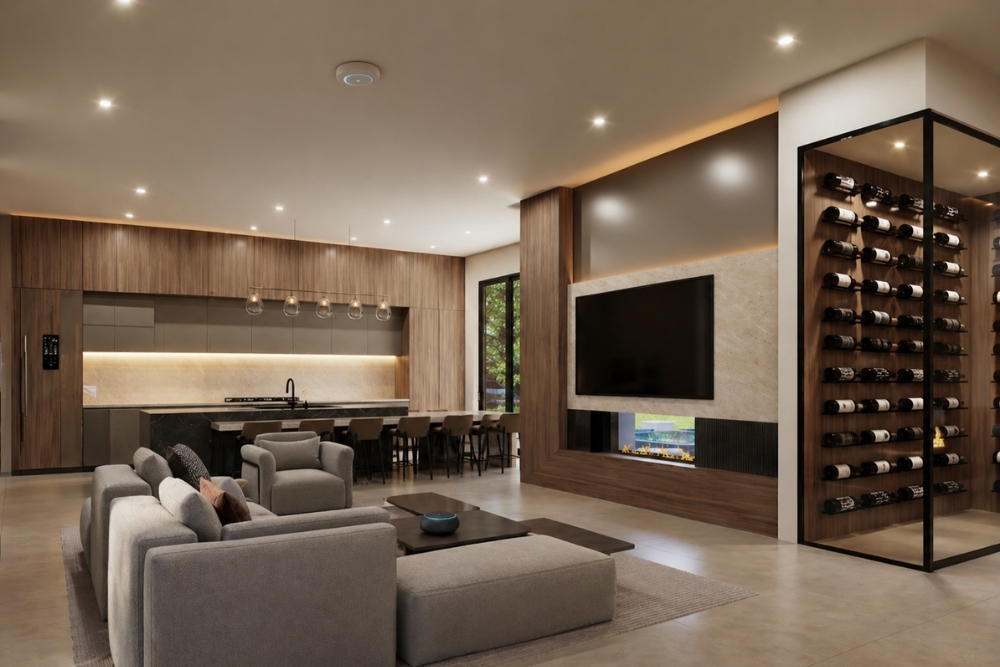
The modern home is no longer just a place to live. It is becoming a responsive, intelligent environment designed to adapt to how people move, think, and live every day.
Across cities like Houston, homeowners are no longer asking whether they should integrate smart technology, but how far they can take it. From AI-driven climate control to fully automated lighting, security, and entertainment systems, smart homes are transforming residential living into something more efficient, secure, and deeply personalized.
At the center of this transformation are three core technologies: artificial intelligence (AI), the Internet of Things (IoT), and automation. Together, they create homes that do not just respond, but anticipate.
What a True Smart Home Looks Like Today
A true smart home goes beyond connected devices. It is an ecosystem where systems communicate, learn, and improve over time.
This includes:
- Devices connected through IoT networks
- Centralized control systems
- Automated routines and workflows
- AI that learns user behavior
Instead of manually adjusting settings, your home begins to understand your lifestyle.
For example, lighting adjusts based on time of day, temperature shifts based on occupancy, and security systems activate automatically when you leave.
Sed facilisis, leo id sodales malesuada, magna turpis volutpat leo, ut consectetur odio lorem sed ex. Quisque tincidunt magna et lorem maximus semper. Curabitur ultrices libero at consectetur posuere. Vestibulum eget nisi consequat, sodales nulla mattis, convallis quam. Nunc vitae risus scelerisque, suscipit nibh nec, consectetur lorem.
Jane Smith
The Role of AI: From Automation to Intelligence
Artificial intelligence is what separates a basic smart home from an advanced one.
Predictive Behavior
AI systems analyze patterns such as:
- Daily routines
- Temperature preferences
- Lighting habits
- Occupancy patterns
Over time, the system begins to act without commands.
For example, your home may cool down before you arrive or dim lights automatically in the evening.
Energy Optimization
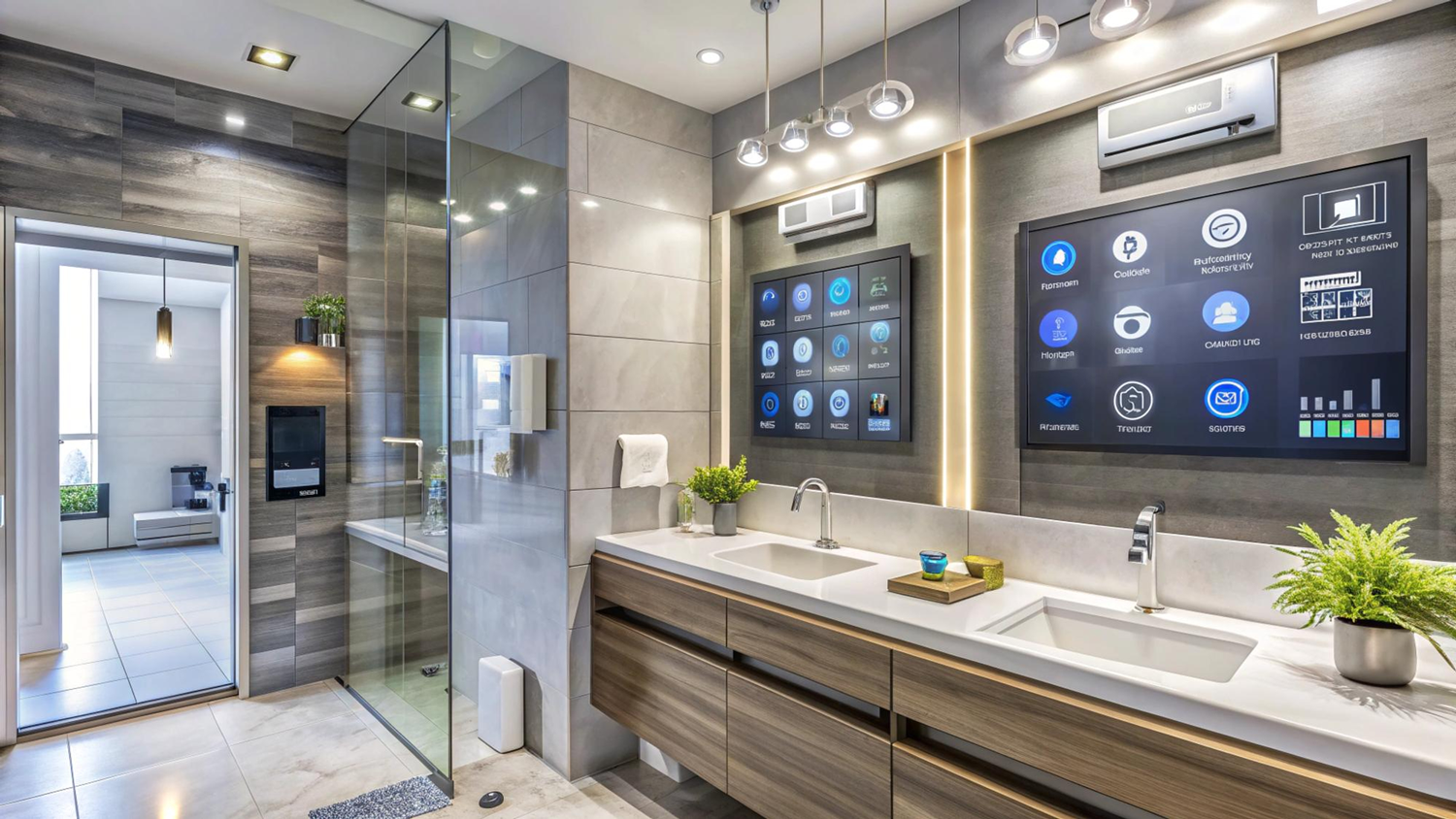
According to the U.S. Department of Energy, heating and cooling account for nearly half of a home’s energy use. AI-driven systems reduce waste by adjusting based on real-time conditions.
You can explore more here:
https://www.energy.gov/energysaver
The Role of AI: From Automation to Intelligence
Artificial intelligence is what separates a basic smart home from an advanced one.
Predictive Behavior
AI systems analyze patterns such as:
- Daily routines
- Temperature preferences
- Lighting habits
- Occupancy patterns
Over time, the system begins to act without commands.
For example, your home may cool down before you arrive or dim lights automatically in the evening.
Energy Optimization
According to the U.S. Department of Energy, heating and cooling account for nearly half of a home’s energy use. AI-driven systems reduce waste by adjusting based on real-time conditions.
You can explore more here:
https://www.energy.gov/energysaver
IoT: The Infrastructure Behind Smart Living
The Internet of Things connects every device into one network.
Common IoT Devices
- Smart thermostats
- Lighting systems
- Security cameras
- Smart locks
- Connected appliances
Organizations like Statista estimate that there will be over 75 billion connected IoT devices worldwide, showing how rapidly adoption is growing.
More data here:
https://www.statista.com/topics/2637/internet-of-things/
Why Integration Matters
The real power is not in individual devices, but in how they interact.
For example:
- Motion sensors trigger lighting
- HVAC adjusts when windows open
- Security systems activate based on location tracking
This creates a seamless and efficient environment.
Automation: Simplifying Everyday Living
Automation eliminates repetitive tasks and enhances consistency.
Everyday Automation Examples
- Morning routines (lights, coffee, blinds)
- Away mode (security, temperature reduction)
- Evening mode (lighting, locks, alarms)
Platforms like Google Nest and Amazon Alexa have made automation accessible to a wider audience.
Smart Home Security: A Major Driver of Adoption
Security is one of the biggest reasons homeowners invest in smart technology.
Modern Security Features
- Real-time monitoring
- Mobile alerts
- Smart locks with remote access
- AI-powered facial recognition
The Consumer Technology Association reports that security devices are among the fastest-growing smart home categories.
More insights:
https://www.cta.tech/
Smart Lighting and Atmosphere
Lighting has evolved into both a functional and design feature.
Benefits
- Adjustable brightness and color
- Scene-based settings
- Energy-efficient systems
- Integration with schedules and sensors
Lighting now enhances mood, productivity, and overall design.
Climate Control and Energy Efficiency
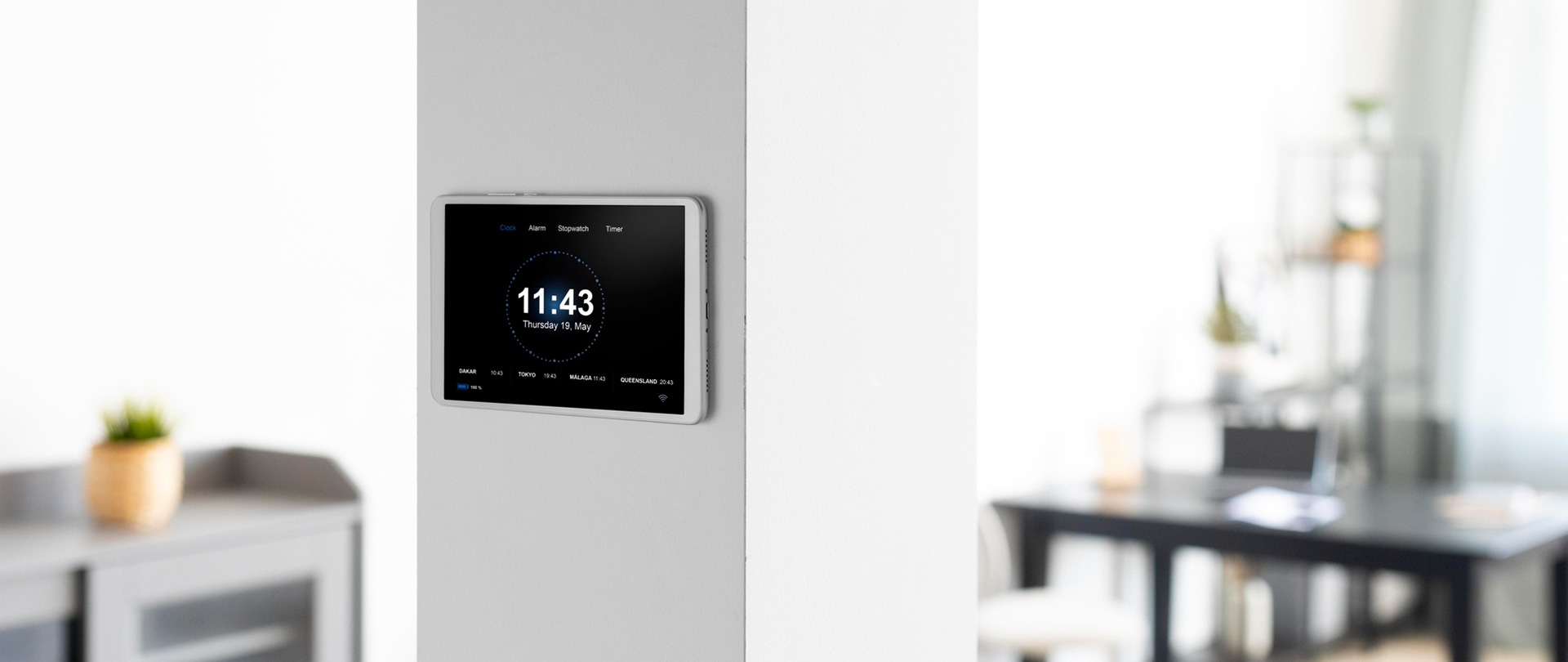
In regions like Houston, where temperatures fluctuate significantly, smart climate control is essential.
Key Advantages
- Zoned temperature control
- Remote access
- AI-based energy optimization
- Integration with weather data
Systems like those from Ecobee help reduce energy consumption while maintaining comfort.
Smart Homes in Luxury Living
In high-end residential construction, smart technology is no longer optional. It is expected.
Luxury Features
- Automated window treatments
- Integrated wellness systems
- Smart kitchens with connected appliances
- Whole-home audio systems
- Advanced surveillance
These features align with the expectations of modern luxury living.
For homeowners planning a new build, integrating these systems early is critical. This is often coordinated during pre-construction and design phases alongside architectural planning.
Planning Smart Homes the Right Way
Smart home integration works best when it is built into the design process.
This includes:
- Infrastructure planning
- Device compatibility
- Future scalability
- Cybersecurity considerations
When done correctly, the system becomes invisible yet highly functional.
The Future of Smart Living
Smart homes are evolving into fully autonomous environments.
What’s Next
- AI that adapts to emotional and behavioral patterns
- Health monitoring integrated into daily living
- Smart city integration
- Increased automation with minimal user input
According to McKinsey & Company, smart technologies are expected to reshape how people interact with their living spaces in the next decade.
More insights:
https://www.mckinsey.com/
Conclusion
Smart homes are not just about convenience. They represent a shift toward more intelligent, efficient, and personalized living environments.
For homeowners, builders, and developers, integrating AI, IoT, and automation is no longer a future concept. It is a present-day expectation.
As technology continues to advance, the homes we build today will define how we live tomorrow.

1 Comment
Josiah3998
https://addlinks.pro/EejJH